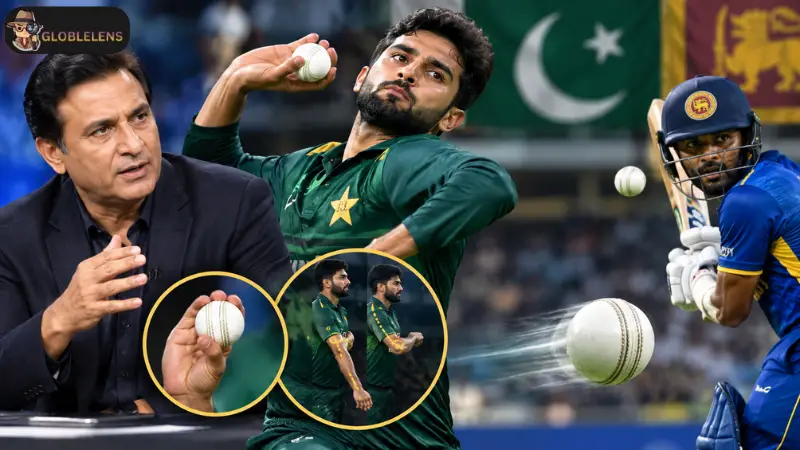
The strategic dynamics of international cricket constantly demand innovation, especially in short-format encounters where a single over can tilt the outcome of a match. Former Pakistan national team captain and veteran wicketkeeper-batsman Rashid Latif highlighted the pivotal role mystery spinner Usman Tariq can play for Pakistan in their series against Sri Lanka. Speaking on Geo Pakistan, Latif dissected the mechanical and tactical nuances that make Tariq an indispensable asset for the national squad, particularly when facing Asian subcontinental opponents adept at handling orthodox spin.
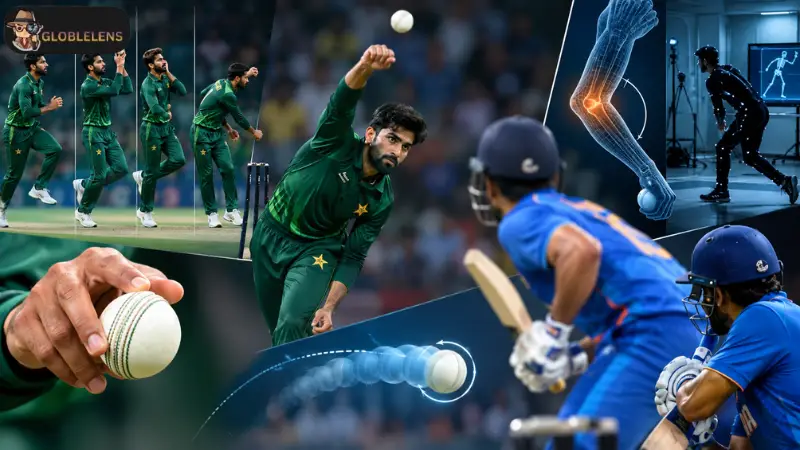
Usman Tariq has emerged as one of the most unconventional spin bowlers in recent international cricket history. Defined by his unique pause during the delivery stride and a release mechanism that generates sharp carrom-ball variations, Tariq presents an immediate visual and technical challenge to opposition batters. Latif noted that subcontinental teams like Sri Lanka traditional pride themselves on reading spin off the pitch. However, Tariq’s unique pause disrupts the batsman’s footwork rhythm and timing, forcing errors even from technically proficient players.
Addressing past discussions regarding Tariq’s bowling mechanism, Latif emphasized that the spinner's elbow action stems from a documented biological condition rather than an illegal flex. Bio-mechanical lab tests conducted under international protocol have cleared Tariq, allowing him to operate within the legal boundaries of cricket regulations. The presence of two elbow joints creates an optical illusion that frequently misleads spectators and opposition teams, yet remains fully compliant with official standards.
From a tactical perspective, Latif argued that deploying Tariq during middle-overs phases provides Pakistan with necessary control and wicket-taking capacity. Against Sri Lankan top-order batters who rely heavily on sweep shots and using their feet against orthodox spinners, Tariq’s sudden variations and variable trajectory introduce an element of unpredictability that curtails scoring rates while opening up dismissal opportunities. As Pakistan prepares for key international series, maximizing Tariq’s potential could prove to be the critical difference in key match scenarios.