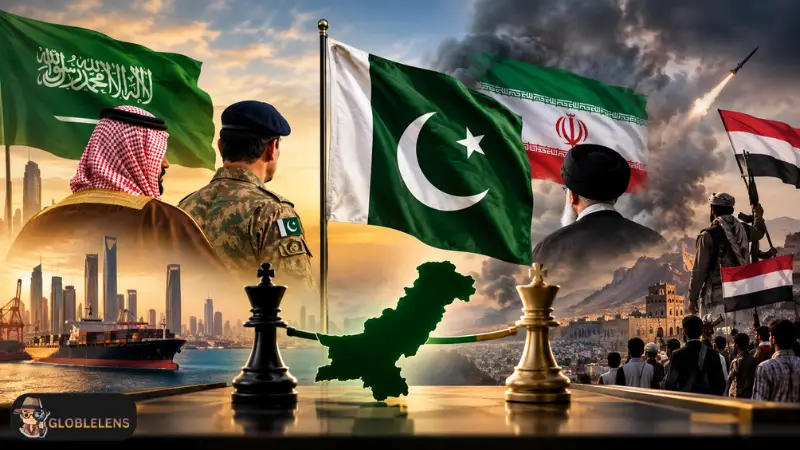
The geopolitical landscape of the Middle East is facing heightened volatility, placing indirect diplomatic pressure on South Asian security partners. Pakistan finds itself navigating a delicate balancing act between its strategic, economic, and military ties with Saudi Arabia and its complex diplomatic commitments across the wider Gulf and Middle East regions. Central to this strategic tension is the ongoing conflict in Yemen involving the Ansar Allah (Houthi) movement and the Saudi-led coalition.
Riyadh has consistently sought broader security commitments from regional allies to safeguard its territorial integrity and critical infrastructure against long-range cross-border drone and missile strikes. Within diplomatic circles, discussions regarding Pakistan’s potential military or advisory involvement in supporting Gulf security architecture have gained renewed traction. However, any formal deployment or direct security engagement in Yemeni conflict zones presents profound foreign policy risks for Islamabad. A major diplomatic counter-narrative has emerged from Sanaa. Massive public demonstrations across Yemen have explicitly addressed external military intervention concerns. Ansar Allah leadership publicly declared that their operational targets are strictly limited to coalition military structures and administrative regimes, rejecting claims that religious holy sites in Mecca or Medina face any threat. By reaffirming their commitment to protecting Islamic holy sites while maintaining opposition to external state coalitions, Yemeni authorities are actively countering attempts to frame the conflict in pan-Islamic defense terms.
For Pakistan, entering a foreign theater carries severe domestic and regional ramifications
To mitigate these pressures, Pakistani foreign policy officials have engaged in multi-channel diplomacy, facilitating communication between Tehran, regional Gulf actors, and Western partners via intermediaries such as Qatar. Maintaining an independent, neutral defense posture while fulfilling non-combatant strategic commitments to Gulf partners remains vital to preserving Pakistan's national security interests and regional stability.