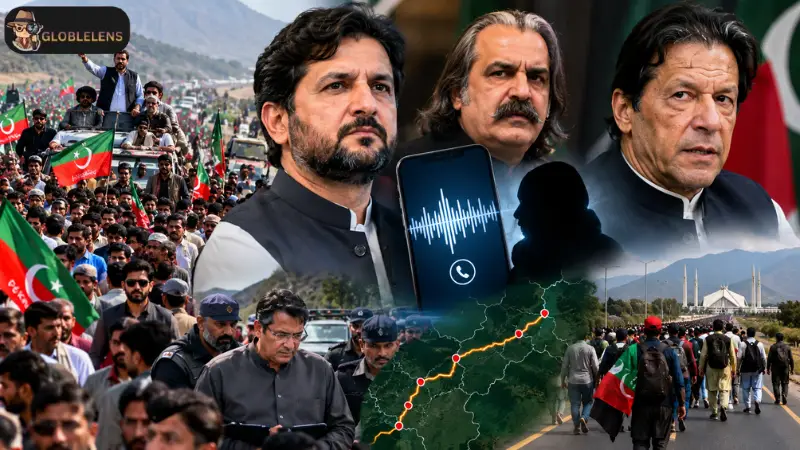
The ongoing long march led by Pakistan Tehreek-e-Insaf (PTI) has adopted a distinctly unconventional tactical model compared to historical demonstrations in the region. Rather than relying on a static, continuous column of travelers, the march utilizes localized mobilization. Leadership moves through regions such as Charsadda, Mardan, and Swabi, engaging local populations, establishing community networks, and securing commitments for future deployment. This decentralized strategy allows the movement to sustain momentum over an extended timeline, creating logistical hurdles for security apparatuses trying to neutralize or disperse crowds.
The strategy behind the march involves staging mass gatherings at key strategic locations, such as the Swabi Interchange, to coordinate regional caravans from Malakand, Hazara, and tribal zones. By encouraging participants to assemble in waves, the leadership creates a rolling mobilization that is difficult to contain using standard vehicular roadblocks or transit restrictions. As plans crystallize for the march to push forward, analysts note that the sheer volume of pedestrian participants minimizes the effectiveness of standard crowd-control measures, elevating political pressure on the governing and military establishment.