The political trajectory within Khyber Pakhtunkhwa’s ruling party has experienced a notable shift in leadership dynamics during the recent long march. The contrast in political maneuvering between established party figures and emerging leaders has become a central focus for political analysts observing the movement. As the march progressed through southern districts, key decisions at logistical barriers highlighted tactical divergences within the party’s strategic planning.
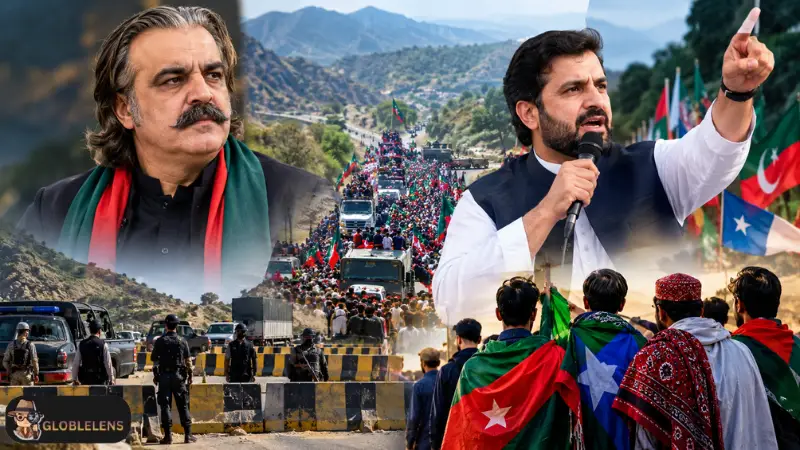
Former Chief Minister Ali Amin Gandapur’s decision to disevaluate certain transit points and return from local roadblocks sparked intense debate among party cadres and public supporters. Confronted with administrative obstacles and security barricades near DI Khan, Gandapur opted to avoid direct confrontation with law enforcement, citing adherence to legal frameworks and the prevention of administrative chaos. However, this strategic retreat drew criticism from grassroots activists expecting an uncompromising advance toward the federal capital. The tactical maneuver underscored the complex calculations facing senior politicians who balance active political leadership with ongoing legal actions and administrative liabilities.
Conversely, figures like Sohail Afridi have emerged to direct the physical momentum of the rally, maintaining the push toward Swabi and Kohat. Afridi's public addresses have resonated strongly with local populations, emphasizing regional autonomy, civil rights, and opposition to security operations conducted without local consensus. By aligning the political narrative with historical grievances and regional pride, the leadership has managed to sustain public engagement despite administrative crackdowns and logistics hurdles.
This shift in internal dynamics reflects broader questions regarding party cohesion and strategic direction. While veteran politicians navigate complex negotiations and potential legal disqualifications, younger regional representatives favor direct mobilization. The interaction between these two approaches determines how effectively the party can convert public sympathy into political leverage against federal pressures.
Furthermore, the participation of delegations from neighboring regions, including youth contingents from Balochistan, highlights an expanding network of solidarity among regional political movements. The alignment of distinct regional delegations under a unified banner points to underlying structural dissatisfaction with central governance models. How these varied leadership styles and regional cohorts synchronize will play a decisive role in the long-term viability of political resistance strategies across the country.