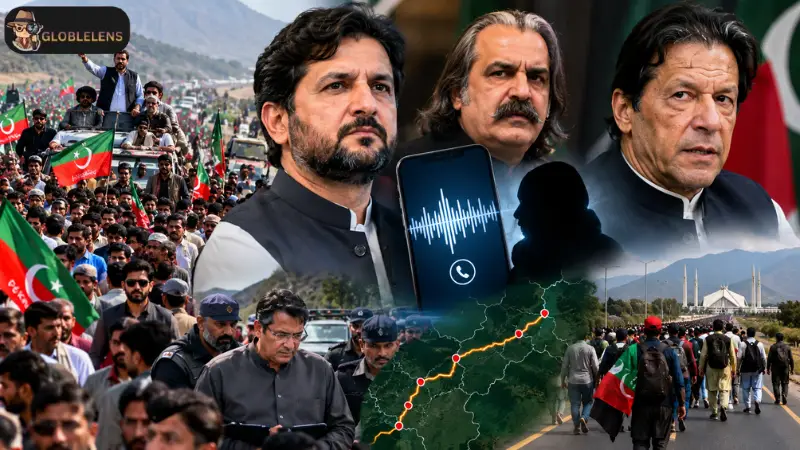
The political landscape in Khyber Pakhtunkhwa has become the focal point of intense institutional friction, marked by escalating tensions between the civilian political leadership and military authorities. Reports of targeted detentions, crackdowns on provincial lawmakers, and administrative preparations for potential emergency measures highlight a hardening stance from the state apparatus. Observers note that these preemptive measures aim to disrupt grassroots support networks and curtail the organizational capacity of opposition factions before key escalation milestones.
At the core of the standoff are competing demands regarding security policy, counter-terrorism operations, and regional governance. Proposals requiring provincial leadership to endorse aggressive military engagements have faced stiff political resistance, leading to a breakdown in formal dialogue. Furthermore, the persistent refusal to permit legal access and medical evaluations for incarcerated leaders has amplified public discontent, polarizing political parties and deepening the institutional stalemate across the country.