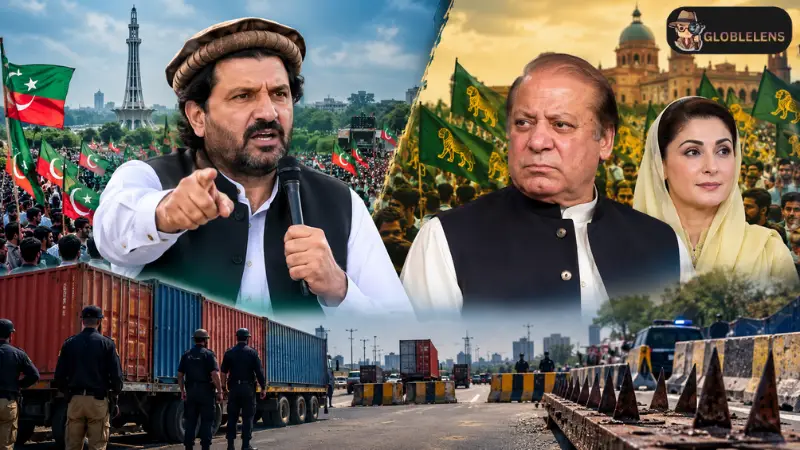
Political tensions in Punjab have intensified following a bold public challenge issued by Pakistan Tehreek-e-Insaf (PTI) leader Sohail Afridi to the ruling Pakistan Muslim League-Nawaz (PML-N) leadership, including party patron Nawaz Sharif and Punjab Chief Minister Maryam Nawaz. Following an extensive tour across various districts in Punjab, Afridi proposed a direct, head-to-head political rally competition to test authentic public support in the province.
Under the terms of the challenge, PML-N is invited to select any city, date, and venue within Punjab for their public gathering. Concurrently, PTI would hold a separate rally under identical conditions. The primary prerequisite requested by the opposition is an absolute level playing field, ensuring equal administrative permissions, unhindered access for attendees, and an absence of police intervention or pre-rally blockades.
Afridi stated that if PML-N demonstrates greater public turnouts under equal conditions, he would voluntarily retire from active politics. Conversely, if the opposition draws a larger audience, PML-N must address public grievances regarding governance performance, allegations of mandate theft during the February 8 general elections, and the perceived suppression of political workers.
This political challenge coincides with administrative preparations by law enforcement ahead of anticipated opposition marches. Reports indicate that police departments have begun impounding commercial shipping containers to construct urban blockades near major transit routes and federal entry points. The practice of seizing commercial vehicles has drawn sharp criticism from business communities and freight operators, particularly due to the impoundment of cargo units transporting perishable consumer goods and essential medical supplies.
Furthermore, public safety concerns have emerged regarding the modification of administrative barricades. Certain transit blockades have reportedly featured reinforced steel spikes or crude barriers designed to prevent vehicle breaching, posing serious physical hazards to commuters and peaceful demonstrators alike. As political polarization deepens, the reliance on physical blockades over democratic engagement continues to disrupt economic activity and daily life across key urban hubs in Punjab.

