The recurring cycle of defeat, criticism, and abrupt leadership changes in Pakistan cricket highlights a persistent governance challenge. Rather than relying on panic-driven squad overhauls and reactive selector reshuffles, sustainable progress requires addressing structural weaknesses across player management, social media usage, and coaching pathways.
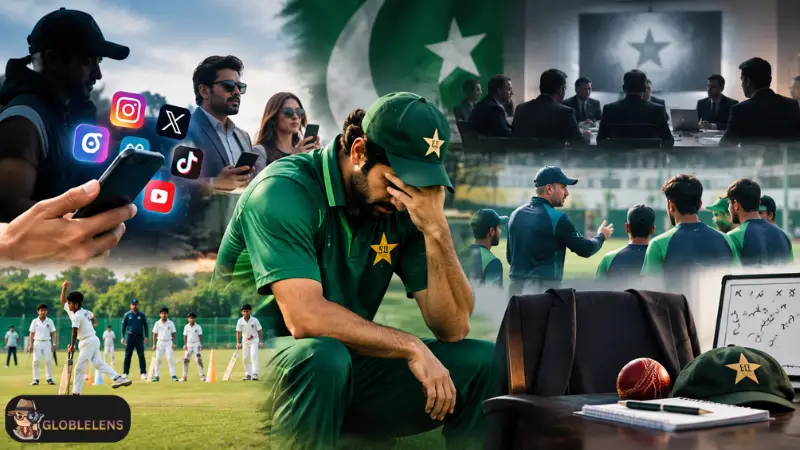
In the modern professional era, off-field factors significantly impact on-field focus. Players contracted by the central board or active in domestic setups frequently face distractions from external media managers, brand handlers, and social media platforms. When public relations management overshadows technical refinement and performance analysis, athlete focus shifts away from ground-level output. Former cricket administrators argue that central contracts must incorporate stricter protocols governing social media usage and external brand management to preserve player concentration during active seasons.
Additionally, administrative efficiency suffers from a lack of post-tour accountability. Structural reviews should include formal pre-match planning and comprehensive post-tour debriefs involving the selection committee, head coaches, and team management. Without structured feedback loops, selection decisions remain vulnerable to public sentiment and external criticism from former players rather than data-driven evaluations.
A critical gap also exists in the coaching and development pipeline. A recurring pattern in Pakistan cricket administration involves appointing recently retired players directly into high-level management or head coaching roles for the senior national team. Transitioning directly from player to top-tier administrator or head coach bypasses essential grass-roots experience.