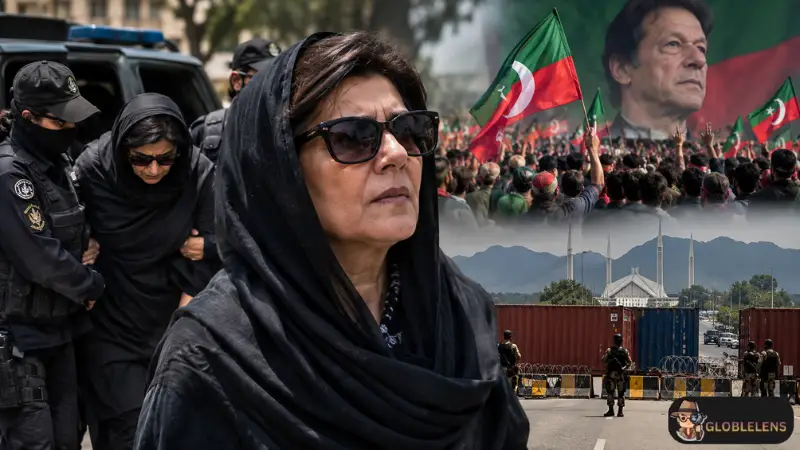
Pakistan’s domestic political landscape faces significant escalation following the detention of Aleema Khan, sister of former Prime Minister Imran Khan. The event unfolded early in the morning when initial reports suggested an abduction after she and her driver disappeared shortly after leaving their residence. Hours later, authorities confirmed that she was taken into custody under the Maintenance of Public Order (MPO) ordinance.
The application of MPO laws has ignited serious debates surrounding civil liberties and constitutional protections. Legal experts and defense counsel representing Aleema Khan have characterized the detention order as a routine administrative action executed without proper legal process. According to defense counsel statements, the detention order was rapidly drafted following a single police request, without prior formal notice or warrants. Analysts view the swift execution of such measures as a reflection of state anxiety regarding potential civil mobilization.
The core motivation behind the state's actions stems from intelligence reports indicating that Aleema Khan was slated to lead a major public turnout for the Pakistan Tehreek-e-Insaf (PTI) protest scheduled for September 27. Her detention appears to be a preventative step designed to disrupt organizational momentum and deter public gathering. Over recent months, Aleema Khan had actively engaged with international media outlets, maintaining high visibility and documenting political developments. Her arrest has rapidly drawn global media attention, raising international scrutiny regarding democratic standards and human rights conditions within the country.
Simultaneously, the political atmosphere in Khyber Pakhtunkhwa remains intensely strained. Reports indicate severe coercive pressure being exerted on provincial leadership and key opposition leaders, including Senate and National Assembly members such as Allama Raja Nasir Abbas and Mahmood Khan Achakzai. State authorities have reportedly warned political figures of drastic measures, including house arrests, widespread detentions, or the imposition of emergency protocols, if planned demonstrations proceed. Opposition leaders have maintained that decisions regarding public protests rest entirely with Imran Khan, rejecting pressure to unilaterally cancel planned actions.
Despite political pushback, administrative authorities have initiated preemptive security measures, virtually isolating major urban hubs. In Islamabad and along key transit arteries such as the Jhelum Road and the Attock Bridge, heavy security forces have deployed shipping containers, excavated road barriers, and erected physical blockades. While these measures aim to prevent protest groups from congregating in the capital, critics argue that such widespread physical blockades disrupt commercial activity, stall local supply chains, and inflict self-induced economic paralysis long before any demonstrators arrive at the scene.

