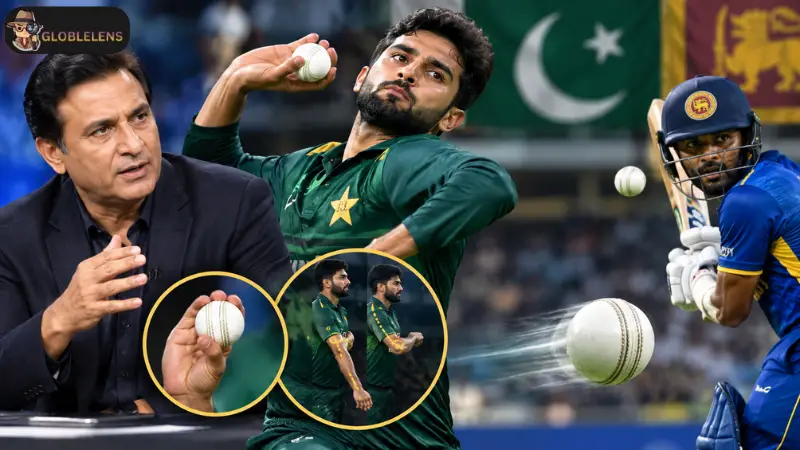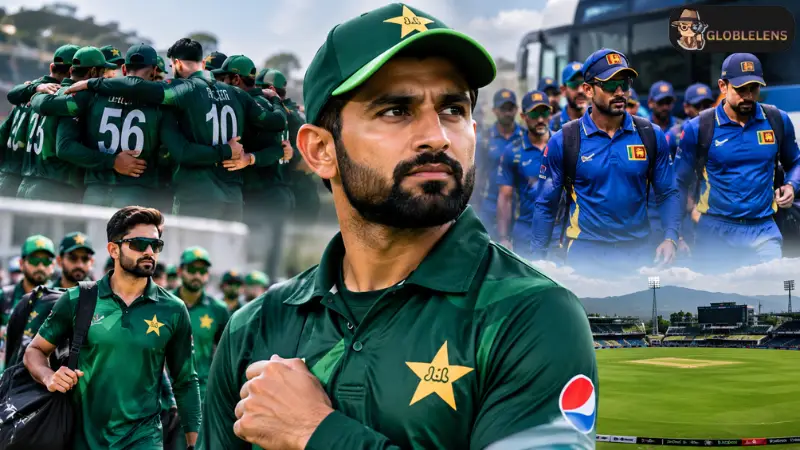
Speculation surrounding the venue relocation of the upcoming Pakistan versus Sri Lanka T20 International series has been definitively put to rest. The Sri Lankan national squad has officially landed in Rawalpindi and completed its initial training sessions at the Rawalpindi Cricket Stadium. Concurrently, the newly selected Pakistan squad gathered at their team hotel before launching their joint preparation campaign, marking the formal beginning of a crucial home international series.
The central narrative of this series revolves around a significant leadership transition. Opening batsman Sahibzada Farhan has been appointed as Pakistan T20I captain. Having recently led the national team to a silver medal at the Asian Games, Farhan now steps into one of the most high-pressure roles in international cricket. His appointment comes at a pivotal juncture, requiring him to manage two distinct operational pressures: restoring his personal form at the top of the order after a mixed individual run post T20 World Cup, and guiding a young, evolving squad through a demanding international transition.
Internal leadership dynamics within the Pakistan setup played a critical role in Farhan's elevation. Sources confirm that former T20I skipper Salman Ali Agha expressed his desire to step down from the captaincy following the recent T20 World Cup, formally requesting the management to let him focus purely on his role as a core batsman. During the subsequent search for leadership options, senior all-rounder Shadab Khan was also considered for the role. However, Shadab opted to remain focused strictly on his performance as an all-rounder, clearing the runway for Farhan to take over the mantle.
The Pakistan Cricket Board management views Farhan's appointment not merely as a short-term fix for the home series against Sri Lanka, but as the foundation of a long-range blueprint aimed directly at the 2028 ICC T20 World Cup. By empowering a young captain early in the four-year cycle, Pakistan aims to mirror the forward-thinking roster management strategies seen in rival international setups, focusing on squad stability, strategic role clarity, and gradual player development.
Executing this long-term vision will require navigating the notorious scrutiny associated with leading Pakistan cricket. Managing external media noise, balancing team dynamics, and integrating tactical innovations will test Farhan's mental resilience. As Sri Lanka and Pakistan finalize their tactical combinations on the Rawalpindi pitches, all eyes will be on how effectively Farhan establishes his authority and steers this fresh era of Pakistani shortest-format cricket.