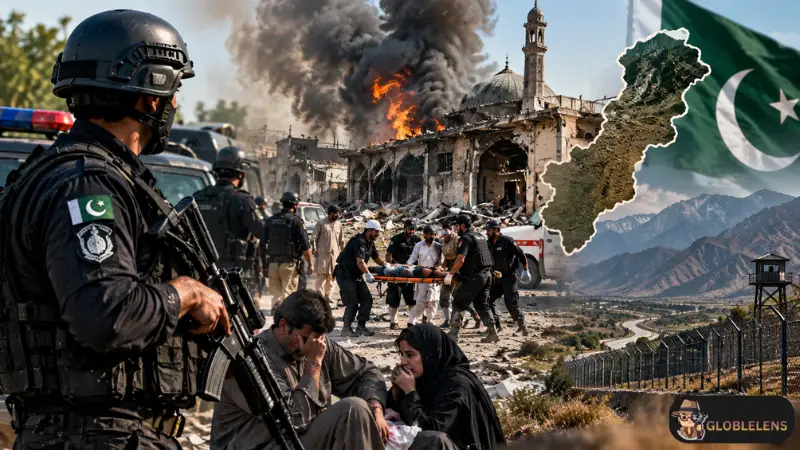
A serious security breach in Kohat, Khyber Pakhtunkhwa, resulted in heavy casualties among local police officers and civilians, leaving over 100 individuals injured and at least 20 in critical condition. While front-line police commandos ultimately neutralized the attackers, the incident has reignited intense debate over Pakistan's national security focus and the effectiveness of its intelligence apparatus.
Critics argue that the primary mandate of state intelligence agencies should be counterterrorism, specifically detecting and neutralizing threats before militants can execute coordinated attacks. When terror networks manage to penetrate municipal areas and inflict substantial loss of life, it signals systemic deficiencies in intelligence gathering and threat assessment. Analysts stress that operational failures of this magnitude require formal investigations and accountability for responsible officials rather than routine administrative responses.
The incident highlights a broader, multi-decade struggle within Khyber Pakhtunkhwa. Regional representatives note that the province has suffered continuous counterterrorism pressure and instability for over two decades. In addition to the human cost, the persistent insecurity exacts a severe financial toll. Frequent border closures and disrupted trade routes have resulted in billions of rupees in lost economic activity, crippling local commerce and regional development.
From an operational standpoint, maintaining peace requires significant structural investment in local law enforcement. Provincial authorities have previously sought to address these gaps by allocating dedicated budgets to modernize police forces with advanced weaponry and tactical equipment. However, hardware upgrades alone cannot substitute for proactive intelligence operations.
There is growing consensus among counterterrorism experts that long-term stability requires a recalibration of state priorities. Counterterrorism strategy must remain focused on dismantling extremist networks rather than diverting security resources toward domestic political monitoring. Re-establishing durable peace demands consistent diplomatic engagement with neighboring nations to secure borders, alongside an unwavering commitment to empowering local law enforcement agencies as the first line of defense.

