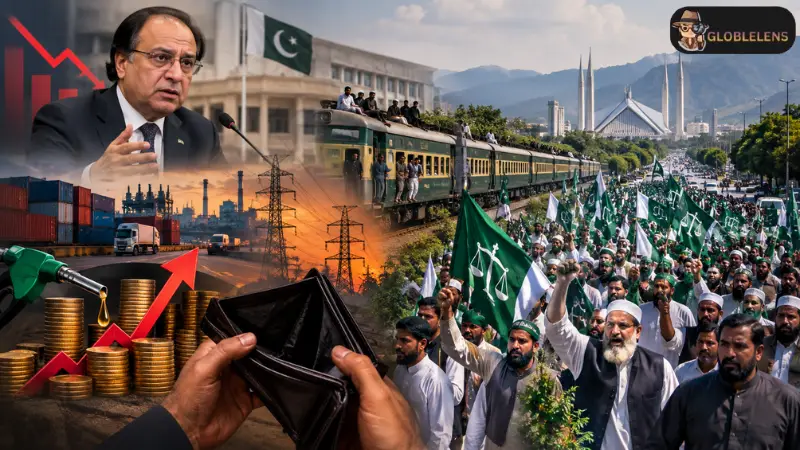
Pakistan’s ongoing political instability continues to inflict severe damage on its national economy and international standing. Recent economic data reveals a alarming surge in domestic petroleum prices, with petrol and diesel rates increasing rapidly within a ten-day window. Diesel prices have climbed past 415 Pakistani Rupees per liter, placing an unsustainable burden on agricultural output, commercial transport, and industrial supply chains.
A regional price comparison underscores the severity of Pakistan’s domestic inflation. Neighboring economies across South Asia, including landlocked nations and those facing geographic import constraints, maintain significantly lower fuel prices when converted to equivalent currency terms. Countries such as India, Bangladesh, Nepal, Sri Lanka, and Afghanistan report lower retail diesel costs despite sharing similar global market dynamics. Economists attribute Pakistan’s disproportionate price burden to heavy state taxation, currency devaluation, and inefficient supply chain management aimed at covering revenue deficits.
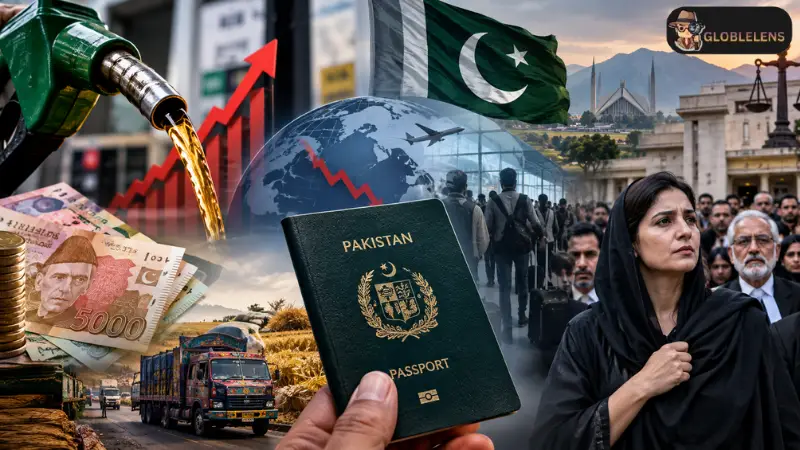
This economic pressure is coupled with a steady decline in Pakistan's global diplomatic prestige. According to the latest Henley Passport Index rankings, the Pakistani passport dropped further down global standings, moving from 174th to 183rd position. Placing just above conflict-affected nations like Iraq, Syria, and Afghanistan, this decline reflects growing global mobility restrictions, rigorous visa vetting processes, and diminished diplomatic leverage abroad.
The combination of steep inflation, stagnant economic output, and declining international mobility highlights systemic governance failures under the current hybrid administration. While state leaders promise international economic investments and diplomatic outreach, citizens face shrinking purchasing power and increasing hardships at international transit points. The rapid inflation of essential fuels directly drives up food prices, triggering broader economic distress across low and middle-income households.
In response to worsening state coercion and judicial overreach, legal institutions and professional bodies are beginning to mobilize. The arrest and prosecution of civil rights lawyers, such as Imaan Mazari, have drawn widespread condemnation from the Islamabad High Court Bar Association and local legal councils. Bar associations have called for joint press conferences and potential courtroom boycotts to protest political detentions and judicial interference. As civil society, legal professionals, and economic sectors face compound pressures, the call for institutional reform and economic stabilization becomes increasingly urgent.