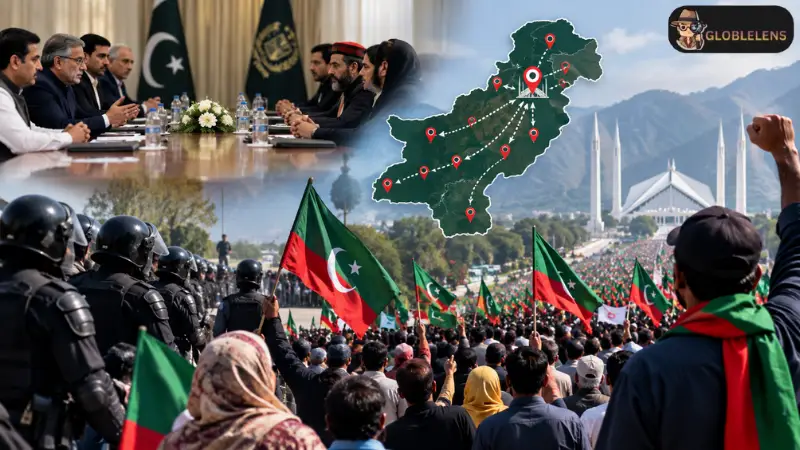
Political tensions in Pakistan continue to escalate as negotiations between government intermediaries and opposition representatives reach a standstill. The dialogue, aimed at resolving the political impasse surrounding jailed opposition figures and upcoming mass demonstrations, failed to yield a consensus due to fundamental disagreements over core demands and leader access.
Government negotiators reportedly offered limited concessions, such as shifting high-profile detainees to alternative facilities and facilitating specialized medical care. In return, the administration demanded the immediate cancellation of planned opposition marches and guarantees against future street protests. However, opposition negotiators rejected these terms, emphasizing that any decision regarding protest actions rests solely with party leadership.
A major sticking point in the talks has been the government's refusal to grant opposition delegations direct access to detained leadership. Critics argue that suppressing direct communication reflects administrative apprehension that such meetings would further solidify protest resolve rather than diffuse tensions.
In response to the deadlock, opposition strategists have outlined an updated, phased approach to their nation-wide protest campaign. Rather than relying solely on a direct march to the capital, the new framework adopts a decentralized model designed to sustain long-term pressure while minimizing direct confrontation with security forces.
Beginning with localized demonstrations across various districts, the campaign is structured to culminate in a major gathering in the capital. The operational guidelines given to party workers emphasize a "zero-confrontation" policy. In the event of law enforcement blockades or tear gas deployment, protesters are instructed to hold peaceful sit-ins at their current locations or temporarily disperse and regroup rather than engage in clashes.
This strategic adjustment aims to stretch administrative resources over an extended period. By avoiding localized violence and maintaining decentralized gatherings, the opposition seeks to push for its key demands: the release of political prisoners, the resignation of the current administration, and the announcement of transparent, snap general elections.

