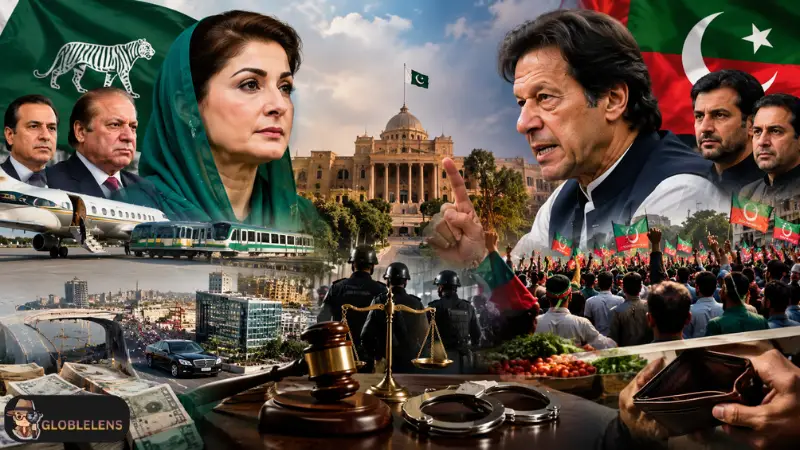
The controversy over provincial resource allocation arrives during a period of heightened political friction between the ruling Pakistan Muslim League-Nawaz (PML-N) administration in Punjab and the opposition Pakistan Tehreek-e-Insaf (PTI). Broader political commentary surrounding the situation emphasizes how governance disputes, legal challenges, and street mobilization are shaping the immediate political future of the province.
As the opposition seeks to capitalizes on public dissatisfaction regarding economic pressures, rising inflation, and government spending, political parties have announced plans for nationwide mobilization. Senior PTI leadership has framed the expenditure on high-end government assets as emblematic of an elite governing class isolated from the daily struggles of ordinary citizens. In response, provincial authorities have maintained a firm stance, warning opposition groups against illegal gatherings or disruptions to public order, which has further escalated political tensions across major urban centers in Punjab.
Concurrently, legal developments surrounding opposition figures and activists continue to dominate public discourse. Arrests, bail hearings, and judicial proceedings involving key political figures have created an atmosphere of persistent confrontation. The provincial executive maintains that law enforcement actions are strictly aimed at preserving stability and legal order, whereas opposition commentators view them as systematic attempts to suppress political dissent and divert attention from governance missteps.
The intersection of public austerity demands and political rivalry underscores the ongoing challenges facing Punjab's administrative leadership. While the ruling government attempts to showcase development initiatives such as infrastructure projects and public transportation upgrades, opposition narratives continuously direct attention toward executive privileges and official overheads. The resulting standoff reflects a deeply polarized political environment where every policy decision, asset procurement, and public statement becomes a battleground for political supremacy.

