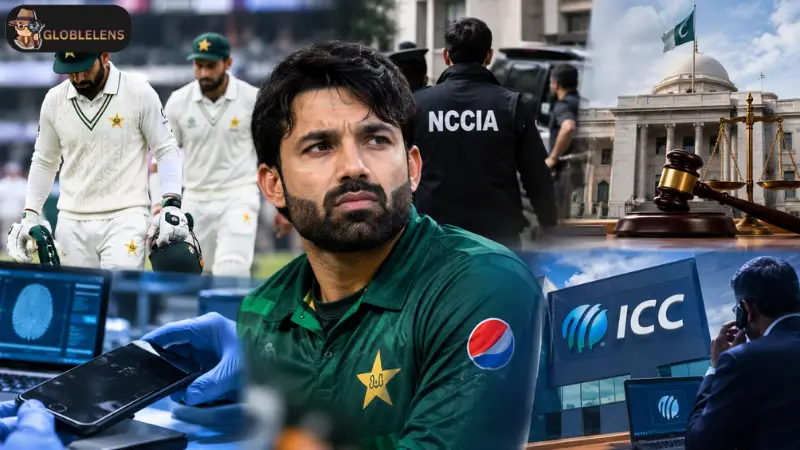
Pakistan cricket has been plunged into fresh turmoil following a series of dramatic events surrounding veteran wicketkeeper-batsman Mohammad Rizwan. Following Pakistan's dismal performance during their tour of England, where the national side suffered a 0-3 whitewash in the Test series, Mohammad Rizwan was abruptly sent home early alongside opening batsman Imam-ul-Haq. The decision came immediately after the second Test defeat at Lord's, triggering widespread speculation about disciplinary infractions and off-field breaches within the squad.
Upon his return to Pakistan, Rizwan was formally summoned by the National Crime Investigation Agency (NCCIA). Reports indicate that the probe initially centered on alleged dressing room leaks, but quickly expanded to include potential financial transactions, digital activity, and online betting inquiries. On September 8, the agency issued a formal summons directing Rizwan to appear at its Johar Town office in Lahore on September 10. Rizwan and Imam-ul-Haq both complied, undergoing nearly two hours of intense questioning. Following the interrogation, both players were barred from participating in the President's Trophy Grade-1 First-Class tournament pending the outcome of the investigation.
Tensions escalated when the NCCIA retained custody of Rizwan’s mobile phone for forensic examination. In response, Rizwan dispatched a formal written reply via courier on September 15, demanding clarity regarding the exact legal grounds for his summons, the retention of his personal device, and the specific nature of the disciplinary allegations leveled against him.
Seeking judicial relief, Rizwan challenged the jurisdiction and mandate of the NCCIA before the Lahore High Court. Through his legal counsel, Qazi Umair Ali, Rizwan argued that he was never clearly informed of any specific illegal act or formal charge. The legal team contended that allegations regarding online gambling and match integrity fall strictly under the purview of the International Cricket Council (ICC) Anti-Corruption Unit rather than local investigative bodies. However, Chief Justice Aalia Neelum of the Lahore High Court dismissed the petition after reviewing a detailed five-page questionnaire submitted by the NCCIA's legal counsel. The questionnaire demanded comprehensive disclosures from Rizwan, including ten years of social media account details, five years of financial data, real estate transactions, income tax records, foreign and domestic travel expenses, and personal debt records.
With his domestic legal challenge dismissed, Rizwan reached out directly to the ICC Anti-Corruption Unit via its online portal. His submission seeks formal guidance on whether global or ECB anti-corruption officials authorized the seizure and forensic examination of his mobile phone, and whether the procedures implemented by local authorities align with established international protocols. As forensic evaluations continue, the case remains an unprecedented intersection of legal jurisdiction, administrative discipline, and national team protocols in Pakistani sports.