The modern landscape of international cricket has evolved into a highly tactical, analytical, and physical enterprise. As global teams leverage sophisticated data analytics, tailored fitness regimes, and specialized role clarity, traditional approaches to player selection and squad management are no longer sufficient. Insights from international veterans like Yasir Arafat point to an urgent need for cricket boards, particularly in developing circuits, to modernize their high-performance structures and selection protocols.
A primary flaw in many struggling cricket setups is the absence of clear role definition for players entering the national team. In elite international setups, players are selected based on specific skill profiles tailored to precise roles, such as power-hitting middle-order finishers, death-bowling specialists, or top-order anchors. In contrast, improper selection practices frequently see players chosen based on raw run totals or wicket tallies in domestic cricket without assessing whether their technical profile fits the vacant role in the national side. This disconnect leads to players being shuffled across batting positions or bowling duties, destroying their confidence and creating team instability.
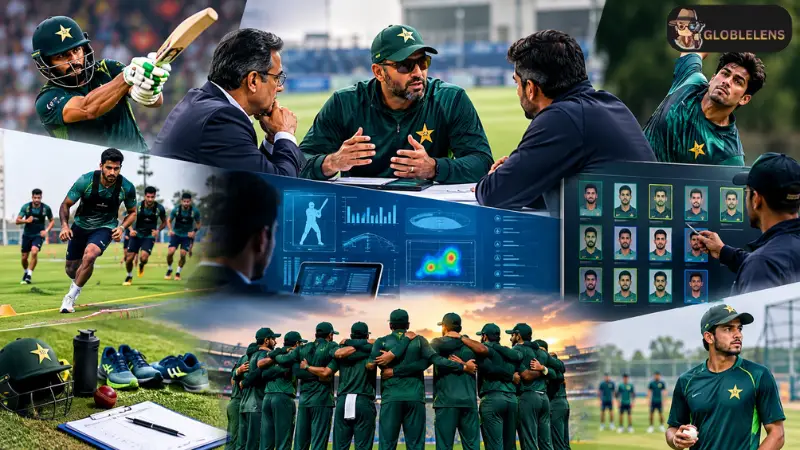
Equally important is the dynamic between the head coach, team management, and national selectors. A modern high-performance ecosystem relies on alignment among these three pillars. When selectors operate in isolation from the head coach's tactical vision, players are often selected without the endorsement of team management. Modern coaching philosophy dictates that head coaches must have a significant voice in squad construction, as they are ultimately accountable for team execution on the field.
Fitness and technical adaptability present another major challenge. The demands of contemporary multi-format cricket require players to maintain peak physical conditioning and rapidly adapt to diverse overseas conditions. In circuits where fitness testing is treated as optional or secondary to raw talent, players struggle with match-fitness, recurring injuries, and fielding lapses under pressure. Establishing non-negotiable benchmark standards for athletic fitness and workload management is critical for building a team capable of sustaining intensity across long international series.
Furthermore, managing squad transitions requires strategic foresight rather than knee-jerk decisions. When veteran players phase out, modern sports organizations introduce young players gradually through structured A-team tours and shadow squads. Abruptly dropping senior players after isolated series losses or throwing inexperienced youth directly into hostile foreign environments without adequate preparation leads to systemic inconsistency.
To achieve sustained success, national cricket setups must institute transparent, merit-driven selection criteria backed by comprehensive data and clear role assignments. Combined with a modern coaching culture that prioritizes clear communication, physical accountability, and strategic alignment between coaches and selectors, teams can build a resilient, competitive framework capable of challenging top-tier international opponents.