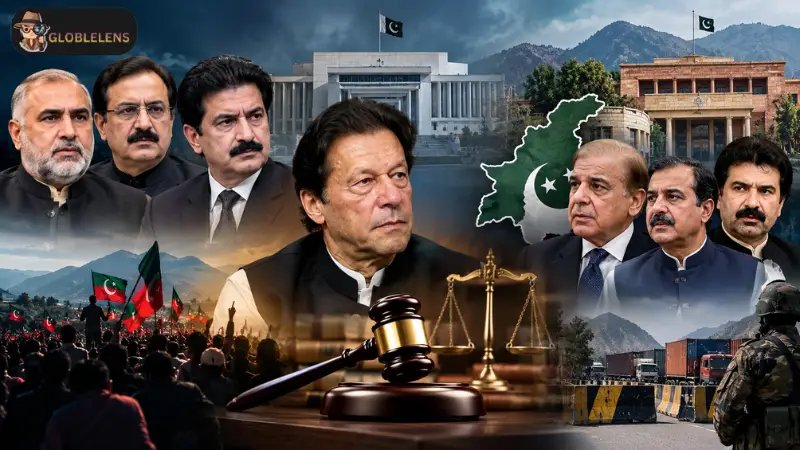
Pakistan faces a developing constitutional confrontation as tensions rise between the federal government in Islamabad and the provincial administration of Khyber Pakhtunkhwa (KP). In response to state measures taken against political leaders during provincial visits, the KP parliamentary party convened high-level meetings featuring prominent figures, including former National Assembly Speaker Asad Qaiser and KP Assembly Speaker Babar Salim Swati. The assembly discussed resolutions condemning federal overreach, opposition arrests, and the proposed transfer of high-profile judicial cases from the Supreme Court to newly planned constitutional benches.
Central to this legal battle is the government's effort to channel key political cases away from standard judicial proceedings. Legal experts and opposition leaders express deep concern over the transfer of Imran Khan’s judicial files, medical transfer requests, and related contempt petitions to specialized constitutional courts. Critics contend that these constitutional benches are structured to favor state interests, effectively bypassing independent judicial scrutiny and depriving political detainees of impartial constitutional remedies.
Simultaneously, reports of high-level meetings in Islamabad between Prime Minister Shehbaz Sharif, KP Governor Faisal Karim Kundi, and federal ministers have sparked intense speculation regarding the potential imposition of Governor’s Rule in Khyber Pakhtunkhwa. Under the Constitution of Pakistan, invoking emergency measures or imposing Governor's Rule within a province requires express approval from the respective provincial assembly. Because the KP Assembly is overwhelmingly controlled by the opposition, any federal move to bypass this statutory requirement would trigger a severe constitutional breakdown.
If the federal government attempts to enforce Governor’s Rule through executive decrees or temporary judicial validation, it risks deepening political alienation across the province. Analysts warn that such administrative overreach could backfire, converting administrative suppression into broader regional discontent. Furthermore, provincial authorities in KP have already directed party workers to establish protest camps along inter-provincial trade and transport routes, signaling that any attempt to dismantle the provincial government will be met with prolonged blockades.
Adding to the complexity are clandestine political meetings involving political figures like Rana Sanaullah, former KP Chief Minister Ali Amin Gandapur, and Sher Afzal Marwat. Controversial petitions submitted to constitutional courts regarding provincial leadership changes have highlighted internal divides and behind-the-scenes negotiations. As the federal government considers aggressive administrative options to maintain control, the constitutional order in Pakistan faces one of its most precarious tests in recent history.

