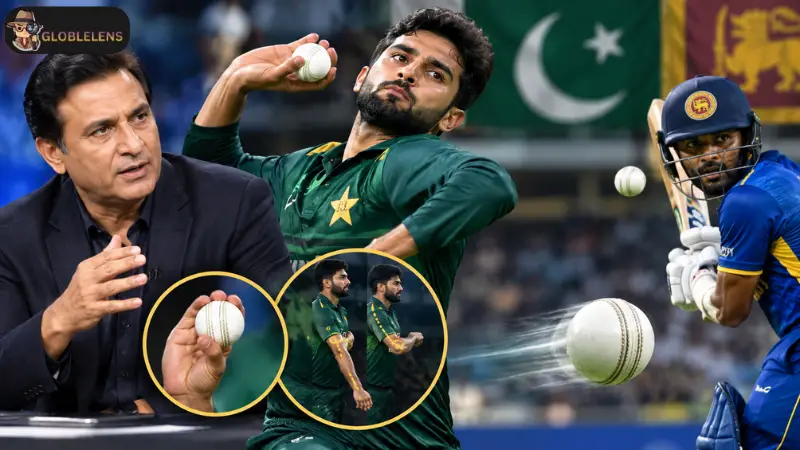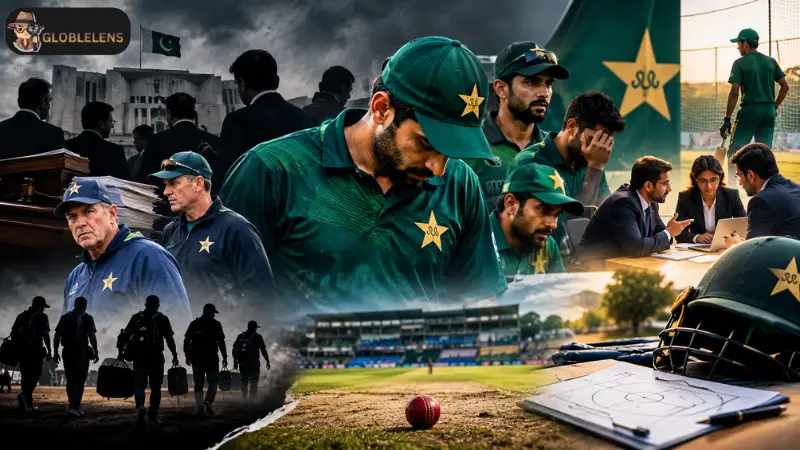
Pakistan cricket stands at a critical juncture where operational inconsistency, frequent administrative overhauls, and political influence continue to undermine the national team's international competitiveness. In high-level cricket analysis, experts like former all-rounder Yasir Arafat have repeatedly emphasized that the root cause of Pakistan's erratic performances on the global stage lies not in a lack of raw athletic talent, but in the structural failures of its governing body, the Pakistan Cricket Board (PCB).
For decades, the PCB administration has operated under frequent top-tier changes tied closely to political shifts within the country. Every transition at the governance level triggers a domino effect throughout the cricket ecosystem, leading to sudden departures of coaching staff, revised selection policies, and modified player contracts. This lack of institutional continuity prevents long-term strategic planning, which is the foundational pillar of modern elite sports organizations such as Cricket Australia or the England and Wales Cricket Board (ECB).
To establish a resilient cricket ecosystem, Pakistan must transition from political appointments to merit-based professional management. Professional sports management requires individuals with specialized knowledge in sports governance, high-performance operations, financial sustainability, and player development pathways. When administrative positions are handed out based on political alignment rather than sports management expertise, decisions are inevitably driven by short-term optics rather than long-term performance indicators.
A glaring symptom of this political vulnerability is the premature departure of high-profile international coaches and support staff. International coaching professionals expect an environment that supports systematic player growth, clear lines of accountability, and structured talent pipelines. However, when coaching staff members encounter shifting administrative mandates, bureaucratic interference, and public scapegoating after short-term setbacks, retention becomes impossible. High-profile departures ultimately deprive Pakistani players of elite modern training methodologies, tactical data analysis, and mental conditioning frameworks essential for surviving high-pressure international fixtures.
Furthermore, domestic cricket infrastructure suffers under fluctuating governance paradigms. A successful national team relies entirely on a robust domestic circuit that prepares players for international conditions. When domestic tournament structures are constantly restructured, changing between departmental and regional formats every few years, young players are deprived of stability. Pitch preparation standards decline, player pathway visibility drops, and grassroots talent remains unrefined.
To overcome these perpetual cycles of crisis, the Pakistan Cricket Board must enact comprehensive structural reforms. First, governance should be decoupled from political administration through an independent board of directors governed by professional sports managers, former international players, and commercial experts. Second, selection committees must be empowered to work independently without pressure from corporate or political entities, utilizing transparent selection metrics based on domestic performance and technical readiness.
Finally, long-term contracts for key coaching and high-performance personnel must be honored to build a sustainable, modern culture within the locker room. Only when professional integrity and structural continuity take precedence over political maneuvering can Pakistan cricket restore its legacy as a world-class sporting powerhouse.