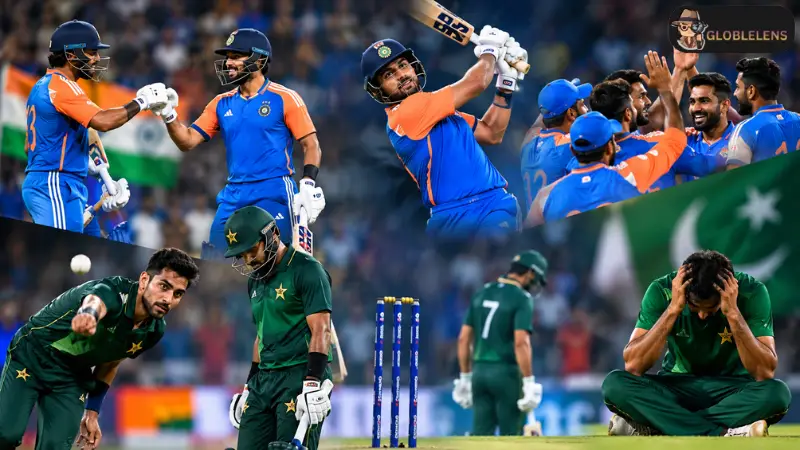
The long-standing high-stakes rivalry between India and Pakistan delivered another defining narrative in international cricket during the Asian Games final. India secured a 19-run victory to claim the gold medal, posting 211/6 in their allotted 20 overs before restricting Pakistan to 192/6. While the scorecard reflects a competitive contest on the surface, a deep tactical review highlights structural imbalances, strategic miscalculations, and technical shortfalls that continue to plague Pakistan in high-pressure encounters against their traditional rival.
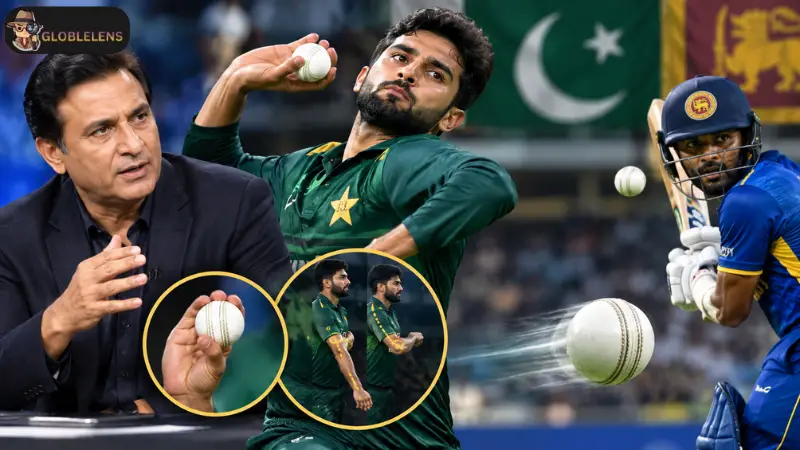
Pakistan won the toss and elected to field, a decision aimed at exploiting initial surface movement. However, the bowling execution severely lacked discipline during key phases. India's top order capitalized on loose length deliveries, establishing immediate momentum. Pakistan's pace attack struggled with consistency in line and length, frequently dropping short or drifting onto the pads. This allowed Indian batters like Abhishek Sharma, who scored a rapid 61 off 28 balls, and Tilak Varma, who contributed an unbeaten 51 off 22 balls, to manipulate the field with minimal risk. A major tactical flaw was the inability of Pakistan's middle-overs bowling unit to build sustained pressure. Spinners Abrar Ahmed and Saim Ayub failed to alter their pace effectively on a surface that offered subtle grip. Instead of dragging Indian batters into awkward hitting zones, bowling lengths were predictable, allowing India to rotate strike effortlessly while consistently finding boundary options.
Chasing a target of 212 at a required run rate of 10.6 runs per over demands clear operational phases: an explosive powerplay, structured strike rotation in the middle overs, and calculated aggression in the death overs. Pakistan's pursuit faltered due to a disjointed tactical approach. Hasan Nawaz delivered an outstanding individual effort, scoring 96 off 51 balls featuring five fours and seven sixes. Despite his brilliance, the surrounding batting lineup failed to offer functional support. Top-order partners Saim Ayub and Sahibzada Farhan fell early while attempting high-risk shots against disciplined Indian bowling led by Axar Patel and Washington Sundar, leaving the middle order exposed prematurely. The critical breakdown occurred during overs 7 through 14. Rather than consolidating and creating partnerships to launch a late assault, incoming batters succumbed to pressure, resulting in dot-ball accumulation. This forced Nawaz to carry an unsustainable load, elevating the required run rate beyond 14 per over by the 16th over.
Pakistan's captaincy and field settings during India's innings lacked proactive adjustments. Defensive field spreads were introduced prematurely after a few early boundaries, which gifted easy singles to Indian middle-order batters Shreyas Iyer and Shivam Dube. This reactive posture prevented pressure building in the middle overs. In contrast, India's field placements under pressure were tight and deliberate. Indian bowlers targeted Pakistan's technical weaknesses, particularly against hard lengths and left-arm spin, forcing mis-timed hits to deep fielders at crucial junctures.