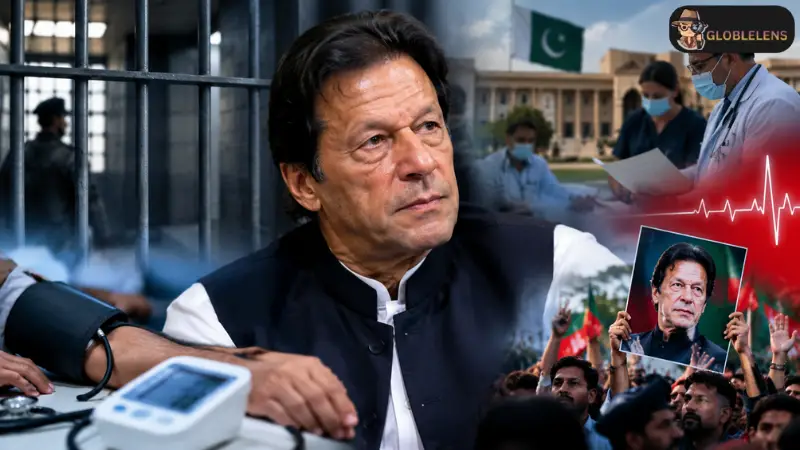
Concerns surrounding the health status of incarcerated former Prime Minister Imran Khan have triggered a fresh wave of political dispute in Pakistan. Recent statements from family members, legal counsel, and political allies regarding spikes in his blood pressure and overall medical condition have sparked intense debate over prisoner rights, state responsibility, and transparent medical access.
Reports highlighting severe fluctuations in the former prime minister's vital signs, specifically severe blood pressure instability, quickly became a rallying point for political supporters. Statements issued by defense counsel highlighted delays in accessing independent medical evaluation, raising public alarm regarding the conditions of his incarceration. The involvement of independent medical professionals, including reports regarding consultations or recommendations from international and UK-based medical specialists, added an international dimension to the domestic debate.
In response to growing public concern, government representatives and prison management authorities issued assurances regarding the provision of adequate medical facilities inside the detention facility. Standard official procedures mandate regular monitoring by state-appointed medical boards. However, the opposition party continues to dispute these official health bulletins, demanding that personal physicians and independent specialists be permitted to conduct comprehensive examinations.
This medical dispute carries major political consequences. Within Pakistan's polarized environment, any ambiguity regarding the physical well-being of a major political figure serves to exacerbate existing societal fault lines. Supporters view restricted medical access as an extension of political pressure, whereas government officials characterize opposition claims as tactical maneuvers designed to generate public sympathy and pressure the judiciary.
The controversy highlights broader systemic questions regarding standard operating procedures for high-profile detainees. Legal experts emphasize that transparent medical disclosure and timely access to independent healthcare are essential not only for upholding fundamental human rights but also for maintaining public order and preventing speculative narratives from destabilizing the political landscape further.

