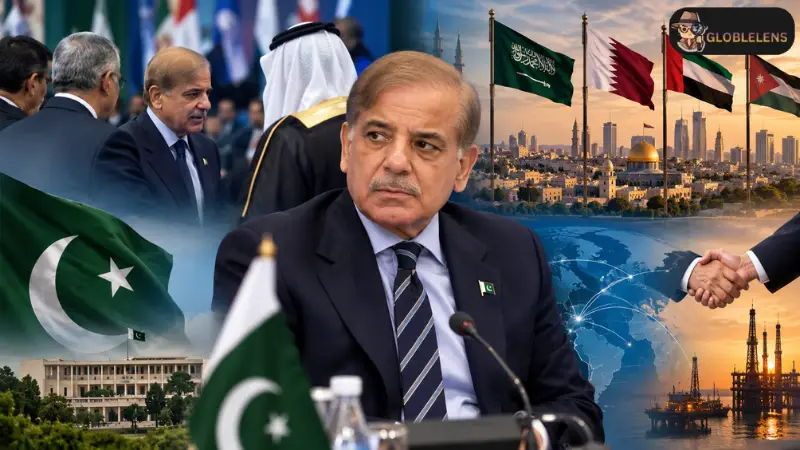
Pakistan's foreign policy positioning has come under heightened domestic scrutiny following recent high-level multilateral engagements involving Prime Minister Shehbaz Sharif. Political commentators and opposition figures have raised intense questions regarding secret diplomatic contacts, regional security realignments, and broader geopolitical strategy in the Middle East. The controversy stems from speculation surrounding informal interactions on the sidelines of global diplomatic forums, particularly regarding delicate Middle Eastern balance of power dynamics.
During international summits, national delegations often participate in side meetings, informal pull-aside discussions, and multilateral consultations designed to secure economic stabilization packages and diplomatic backing. However, domestic political opponents have leveraged reported diplomatic encounters to allege shifts in Pakistan's longstanding principled diplomatic stances. Foreign Office officials have firmly dismissed speculative claims regarding policy deviations, maintaining that Pakistan's foreign policy strictly adheres to established constitutional principles, United Nations resolutions, and national consensus.
Beyond the domestic controversy, Pakistan's diplomatic agenda remains anchored in navigating complex global alignments. Prime Minister Shehbaz Sharif's administration has prioritized economic diplomacy, seeking foreign direct investment, bilateral debt restructuring, and energy security agreements from key Gulf partners and international finance institutions. Balancing ties with traditional Middle Eastern allies while responding to shifting regional dynamics presents a delicate operational challenge for the Ministry of Foreign Affairs.
Geopolitical analysts emphasize that domestic political turbulence in Islamabad severely complicates external diplomatic messaging. When domestic political actors accuse federal leadership of secret dealings or foreign policy concessions, it risks undermining international confidence and muddying diplomatic channels. To counter these narratives, federal officials have increasingly relied on formal briefings to reiterate Pakistan's commitments to regional peace, sovereign economic partnership, and strict non-alignment in external proxy conflicts.
As diplomatic engagements continue, the government faces the double burden of managing complex regional relationships abroad while maintaining public trust and political coherence at home. The intersection of domestic opposition rhetoric and sensitive foreign relations highlights the growing impact of internal politics on Pakistan's international standing.

