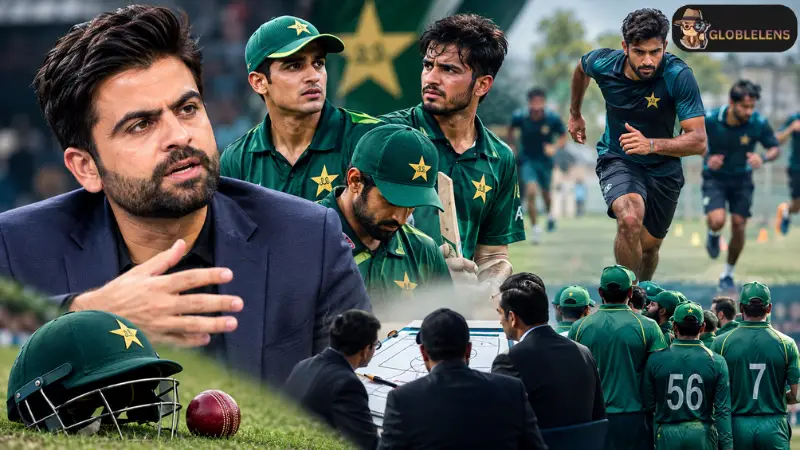
The structural integrity of national cricket teams hinges on consistent selection criteria, clear meritocracy, and unyielding physical fitness standards. In recent years, however, Pakistan cricket has faced significant scrutiny over frequent selection anomalies and fluctuating player conditioning. Former Pakistani opening batsman Ahmed Shehzad recently offered a incisive critique of the current selection culture, raising fundamental concerns about how young talent is scouted, nurtured, and integrated into the national squad.
A primary issue highlighted in modern squad selection is the recurring preference for raw potential over proven domestic performances. While backing young talent is essential for long term team sustainability, doing so at the expense of consistent domestic performers risks undermining the integrity of the domestic structure. Players like Saim Ayub and Haider Ali have received extensive management backing and prolonged opportunities despite prolonged slumps in international matches. When national selectors invest heavily in specific individuals based on potential alone, it creates a dual failure: it deprives top domestic performers of their rightful opportunities while placing undue pressure on struggling youngsters to perform under intense public scrutiny.
Beyond tactical and form-based selection issues, player physical conditioning represents another area of critical concern. Shehzad drew sharp attention to the visible decline in physical fitness levels among certain players returning from domestic departments or regional setups to the national team. Players such as Abdul Samad, despite securing leadership roles like vice-captaincy without an extensive background of domestic performance, have faced questions surrounding their physical readiness. In elite international sport, fitness is non-negotiable; a lack of rigorous conditioning impacts fielding standards, running between the wickets, and endurance in high-pressure matches. The apparent gap in physical maintenance between national camps and domestic departmental setups points to an urgent need for standardized athletic monitoring across all levels of Pakistani cricket.
Furthermore, technical deficiencies among senior management and players remain unresolved. Players like Abdullah Shafique have demonstrated individual talent and produced memorable innings under favorable batting conditions, yet persistent technical flaws continue to hinder their long-term consistency against top-tier opposition. When high-level technical support fails to rectify fundamental flaws in a player's game, the long-term ROI on those selections dwindles.
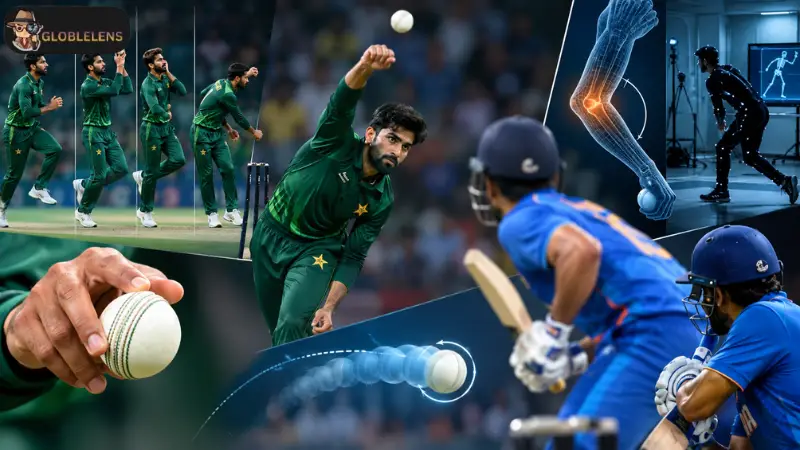
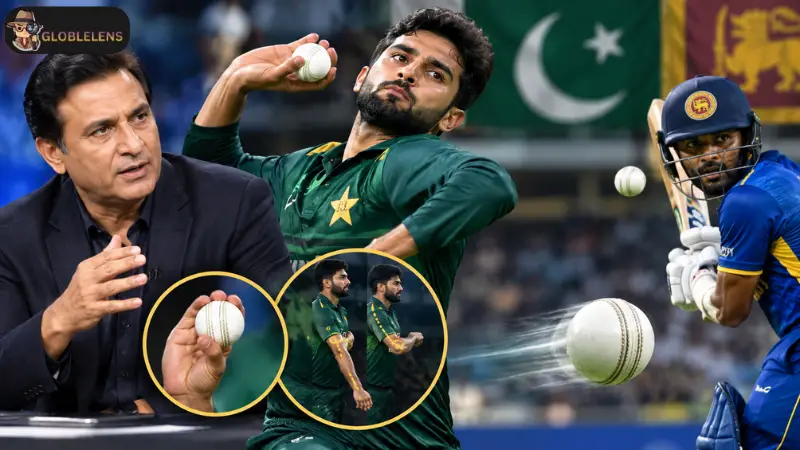
Despite these critical flaws, there are positive selection highlights that demonstrate the latent potential of Pakistani cricket. The inclusion of consistent domestic pace bowlers such as Akif Javed offers an aggressive bowling option that cricket analysts have long advocated for. Similarly, players like Ahmed Daniyal bring vital T20 variety, provided they are given consistent runs to prove their mettle at the international level.
To maximize the team's chances in upcoming Asian tournaments, tactical clarity will be crucial. The squad possesses strong spin options in Ibrar Ahmed and Sufiyan Muqeem. Historically, team management has leaned heavily toward selecting extra all-rounders at the expense of specialist wicket-takers. However, specialist spinners often act as game-changers on Asian surfaces, especially against opposition that has had limited exposure to their variations. Utilizing these bowling assets effectively, rather than relying on tentative selection strategies, will determine whether Pakistan can translate raw talent into consistent international success.
Ultimately, reforming Pakistan cricket requires full accountability from both team management and the selection committee. If management chooses to fast-track players without solid domestic backing, they must also take full responsibility for subsequent failures rather than repeatedly cycling through unproven talent. Establishing transparent, performance-based benchmarks for both selection and physical fitness remains the only path forward for sustained excellence on the global stage.