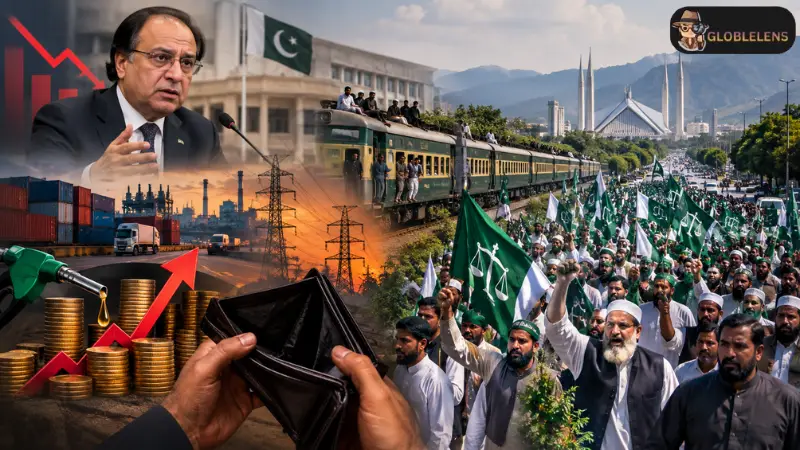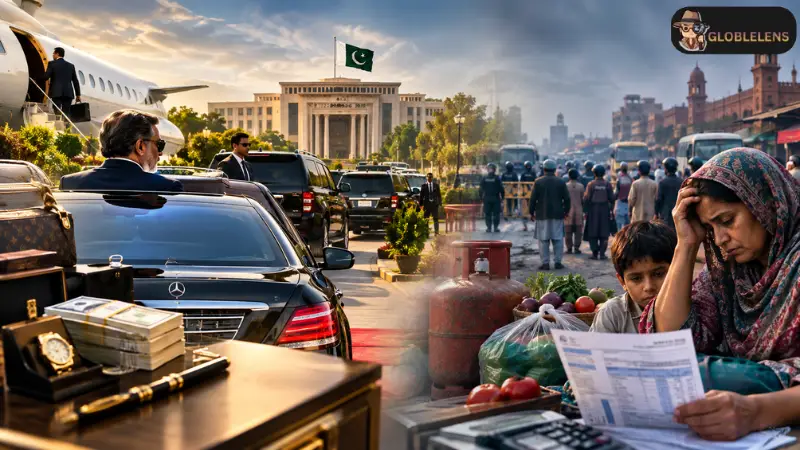
As Pakistan grapples with severe macroeconomic instability, high inflation, and stringent fiscal adjustments mandated by international lenders, public discourse has increasingly turned toward the stark contrast between state austerity measures and elite spending privileges. The structural gap between government resource allocation for official apparatuses and the everyday economic hardships faced by citizens has become a major flashpoint in national political commentary.
While working-class households face elevated energy tariffs, rising fuel costs, and reduced purchasing power, luxury expenditures within administrative and governmental sectors remain largely insulated from economic tightening. VIP protocols, high-value official vehicle fleets, and extensive administrative budgets continue to draw public criticism. Observers note that while the public is repeatedly called upon to absorb utility rate hikes and higher tax burdens, structural reforms targeting elite subsidies and administrative overhead remain largely unexecuted.
This economic divergence is further complicated by allegations of selective governance and heavy-handed administration in provinces like Punjab. Critics argue that public resources and law enforcement machinery are excessively focused on political containment and public order management rather than addressing fundamental socioeconomic grievances. When political protests are met with large-scale police deployments, road blockades, and transport halts, local commercial activity suffers, adding an indirect financial toll on small businesses and daily wage earners.
The long-term consequence of this governance model is a deepening deficit of institutional trust. When taxpayers perceive that fiscal policy favors bureaucratic and political elites while curtailing civic freedoms and economic relief, public alienation grows. Addressing Pakistan's compounding crises requires more than revenue collection; it demands a fundamental restructuring of state expenditures, genuine fiscal transparency, and an equitable distribution of economic sacrifices across all societal strata.