International sports governance often faces significant challenges when broader political dynamics intersect with athletic participation. A clear illustration of this tension is evident in the recent administrative interactions between cricket officials from India and Pakistan during regional tournaments. While international events require operational cooperation among board representatives, conflicting protocols regarding on-field interactions and official ceremonies have drawn scrutiny from sports analysts and media commentators.
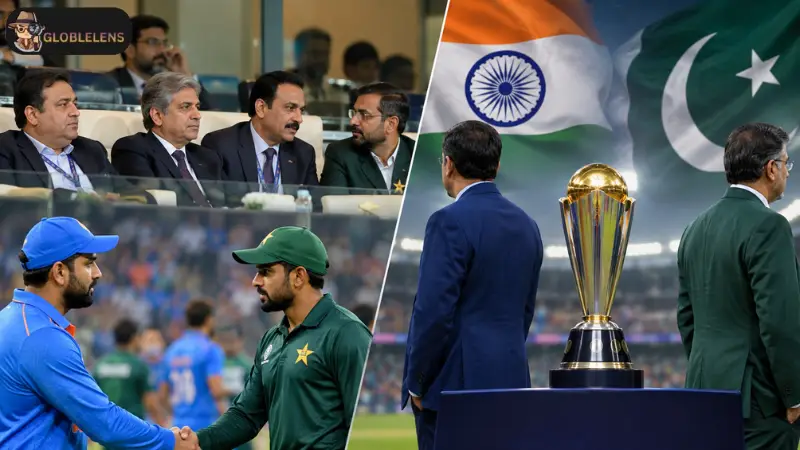
During recent Asian Cricket Council gatherings, senior BCCI officials, including Vice President Rajiv Shukla, were seated alongside PCB and ACC leadership in official VIP enclosures. When questioned by media regarding the contrast between executive-level interactions in administrative suites and the refusal to participate in formal on-field trophy presentations or player handshakes, board representatives maintained that seating arrangements in administrative boxes are standard event requirements. However, sports journalists and media outlets in the region have highlighted this contrast, raising questions about consistency in institutional policies.
This divide between administrative pragmatism behind closed doors and public stance on the field creates operational friction for event organizers. While on-field performances by athletes remain high, off-field administrative disputes continue to impact tournament logistics, trophy presentations, and award ceremonies. The ongoing deadlock over trophy handovers illustrates how non-sporting considerations directly affect official governance procedures.
Resolving these administrative inconsistencies requires clear, standardized framework guidelines from global and regional governing bodies. Without unified protocols that separate administrative event execution from political considerations, international cricket tournaments will continue to encounter operational hurdles during multi-nation competitions.