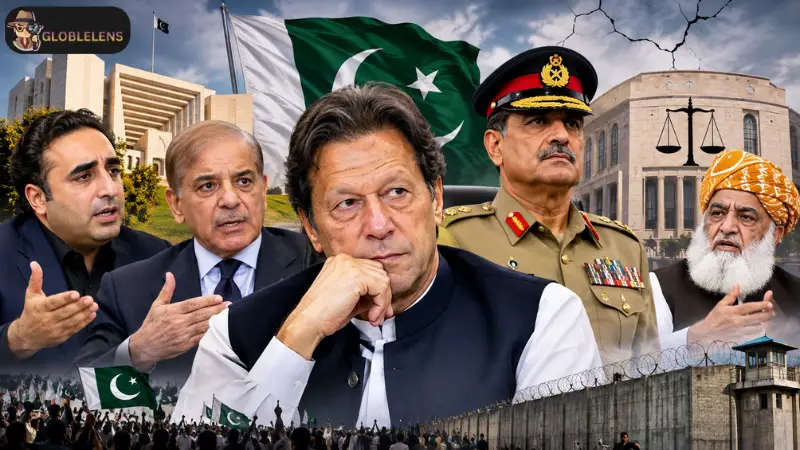
The political landscape of Pakistan remains deeply fractured, characterized by intense power struggles, backchannel negotiations, and strategic maneuvering involving incarcerated former Prime Minister Imran Khan, the military establishment, and coalition parties. Recent discussions have focused heavily on speculation regarding potential deals between the Pakistan Tehreek-e-Insaf (PTI) founder and the military leadership, particularly surrounding upcoming constitutional changes such as the proposed 28th Amendment.
Observers and political analysts note that despite persistent rumors of negotiations, tangible evidence of a direct deal remains absent. Political commentators argue that if a genuine understanding had been reached, Khan would likely have a visible public presence or active communication channels. Instead, the military establishment appears to utilize the PTI leader as a strategic leverage point, balancing relationships with coalition partners such as the Pakistan Peoples Party (PPP) and the Pakistan Muslim League-Nawaz (PML-N).
The dynamics of prison visits have also become a focal point of internal party friction. Recent meetings involving prominent legal figures and party leaders have sparked debates over differing narratives presented to the public. While some representatives maintain a strictly professional legal stance, others have faced scrutiny over political messaging. PTI Secretary General Salman Akram Raja expressed caution regarding select visits, raising questions about whether certain interactions were engineered to project specific political narratives rather than reflect authentic party consensus.
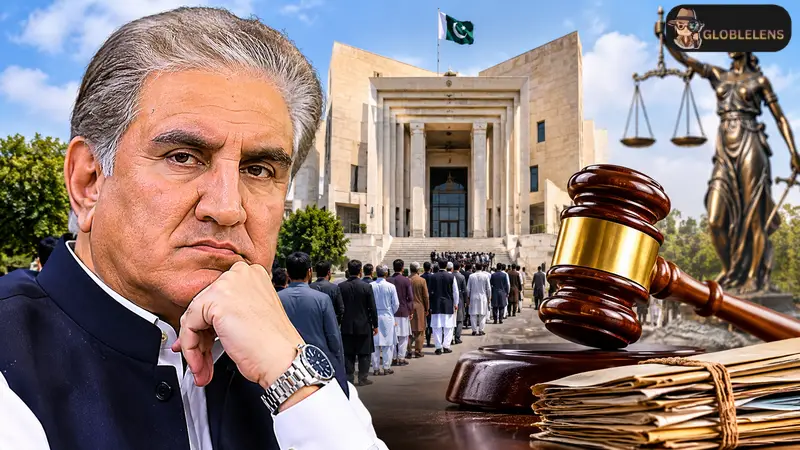
Simultaneously, legal battles continue to shape the political arena. A larger bench has been constituted in the Lahore High Court to address key constitutional questions, including the restoration of the PTI’s electoral symbol, the bat, and the legal implications of Section 215 of the Elections Act. At the core of these legal challenges lies the fundamental question of whether legislative amendments can curtail basic political rights guaranteed under the constitution.
As political parties navigate internal dissent, coalition tensions, and ongoing pressures from the establishment, the path toward political stability remains uncertain. Analysts emphasize that true reconciliation requires transparent dialogue and adherence to constitutional norms, rather than tactical maneuvering designed to manage political fallout.