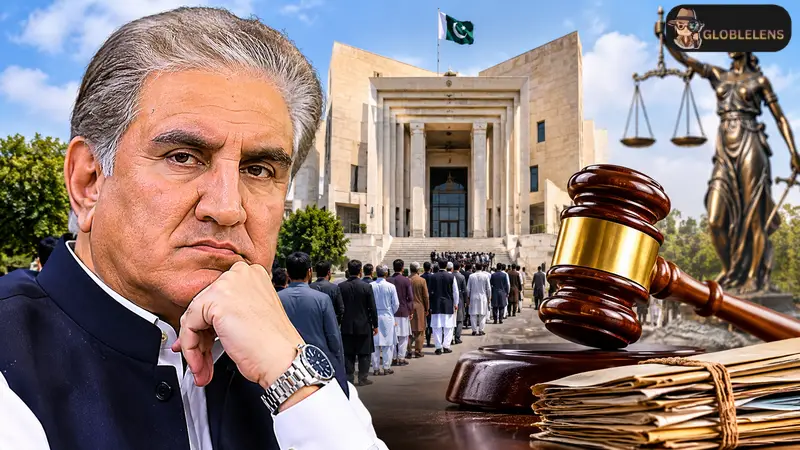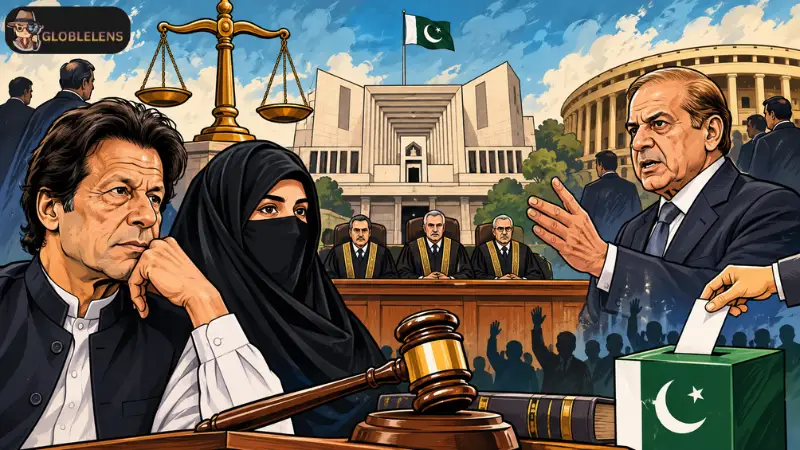
The intersection of legal proceedings and political maneuvering in Pakistan continues to shape the country's governance landscape. Recent developments surrounding high profile legal cases, including proceedings involving former Prime Minister Imran Khan and Bushra Bibi, highlight the complex interplay between the judiciary, executive authority, and political opposition. Legal analysts have increasingly scrutinized the structural independence of judicial bodies, particularly regarding the handling of politically sensitive trials and the establishment of specialized constitutional forums.
The utilization of legal frameworks as bargaining instruments or leverage points during periods of political tension remains a central theme in national politics. Observers note that systemic pressures on judicial appointments and the centralization of appellate processes through specialized benches can impact public confidence in the rule of law. Furthermore, proposals concerning electoral reforms, referendums, and constitutional adjustments reflect ongoing struggles for institutional control among competing political factions and state actors.
Addressing these systemic challenges requires strengthening institutional autonomy and adhering strictly to constitutional due process. When legal mechanisms are perceived as instruments of political leverage rather than impartial arbiters of justice, democratic stability and public trust are inevitably undermined.